What Aesop Gets Right About Tone: How a Beauty Brand Built Cultural Authority Through Language, Restraint, and World‑Building
- Mar 2
- 3 min read
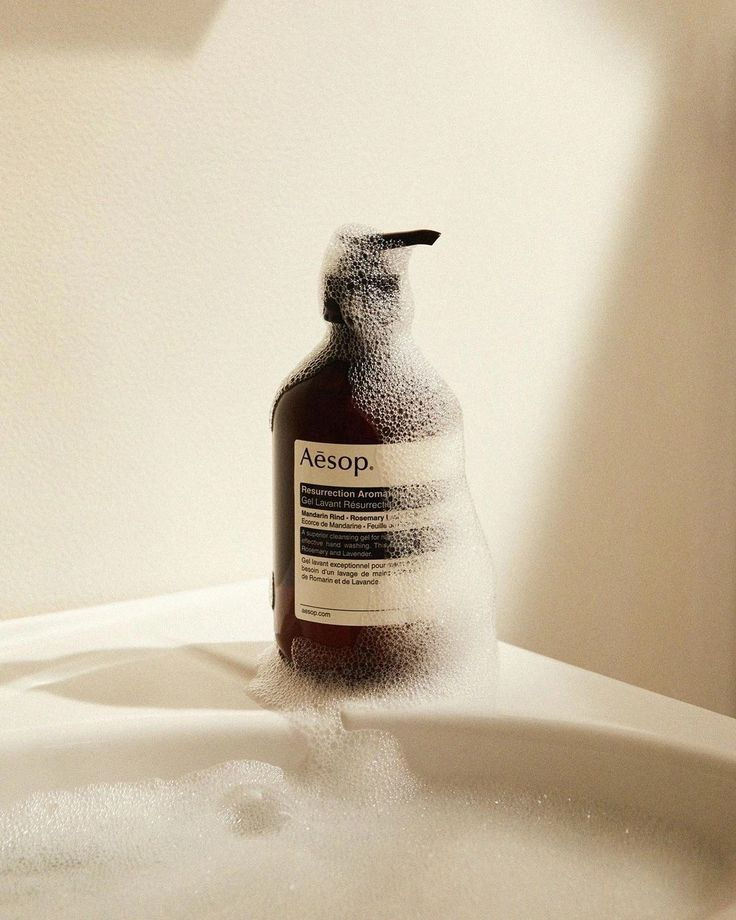
Aesop is one of the few modern beauty brands that didn’t scale through hype, claims, or trend cycles. Instead, it built a global presence through something far more subtle—and far more difficult to replicate: tone. In an industry defined by urgency, transformation, and constant reinvention, Aesop chose a different path. It created a brand world where intelligence, restraint, and cultural literacy became the markers of luxury.
This article explores how Aesop’s tone of voice, visual identity, and retail philosophy reshaped expectations in the beauty category—and what brands can learn from its approach.
Aesop’s Tone of Voice: Literary, Not Promotional
Most beauty brands rely on benefit‑driven messaging: brighter skin, clearer pores, faster results. Aesop rejected this formula entirely. Its copy reads like short essays—measured, reflective, and intentionally understated.
This literary tone does three things:
Positions intelligence as a luxury
Signals respect for the consumer’s mind, not their insecurities
Creates a sense of calm in a category built on urgency
This shift from promotional language to philosophical language is one of the core reasons Aesop feels culturally elevated.
Restraint as a Brand Strategy
Where competitors chase trends, Aesop chooses stillness. Its product launches are infrequent, its messaging is consistent, and its visual identity rarely changes. This restraint is not aesthetic—it’s strategic.
In a world overwhelmed by overstimulation, Aesop’s quietness becomes a form of differentiation. The brand communicates confidence through what it doesn’t say, creating a sense of trust and longevity.
Retail as Cultural Space
Aesop’s stores are not designed like traditional beauty retail environments. They resemble libraries, galleries, or architectural studies. Each location is unique, but all share the same principles:
muted palettes
intentional lighting
slow, immersive pacing
materials that invite touch and attention
This approach reframes retail as an experience of presence, not consumption. It reinforces the idea that Aesop is not selling products—it’s offering a worldview.
A Brand Positioned Outside the Beauty Race
Aesop does not compete with skincare brands in the traditional sense. Its true competitive set is cultural: architecture studios, design houses, bookstores, and contemporary galleries. By aligning itself with culture rather than cosmetics, Aesop escapes the trend cycle and enters the realm of timelessness.
This is why the brand feels more like a philosophy than a product line.
Self‑Care Without Self‑Correction
Aesop’s messaging avoids the typical beauty narrative of “fixing flaws.” Instead, it frames skincare as ritual, reflection, and sensory experience. This resonates deeply in a cultural moment where consumers are rejecting perfectionism and seeking gentler forms of self‑care.
The emotional truth behind Aesop’s success is simple: It offers care without critique.
What Brands Can Learn from Aesop
Aesop’s influence extends far beyond beauty. Its approach offers lessons for any brand seeking cultural relevance:
Tone is a strategic asset, not an afterthought
Restraint can be more powerful than volume
Retail can function as storytelling
Intelligence creates loyalty
Cultural alignment builds longevity
Aesop proves that luxury is not defined by price or exclusivity—it’s defined by clarity, calm, and intention.
Conclusion
Aesop’s brand world is a masterclass in how tone, design, and cultural awareness can transform a company into an institution. In an industry driven by noise, Aesop chose quiet confidence. In a market obsessed with results, it chose reflection. And in a culture overwhelmed by content, it chose clarity.
Its success is not accidental. It is the result of a brand that understands the power of language, the value of restraint, and the importance of treating consumers as thinkers—not targets.


Comments